
Last updated September 10, 2026
Full 25-point door and opener safety check with every visit - springs, cables, rollers, tracks, and your LiftMaster or Chamberlain opener included
You get a price before we start. It does not change when the truck arrives.
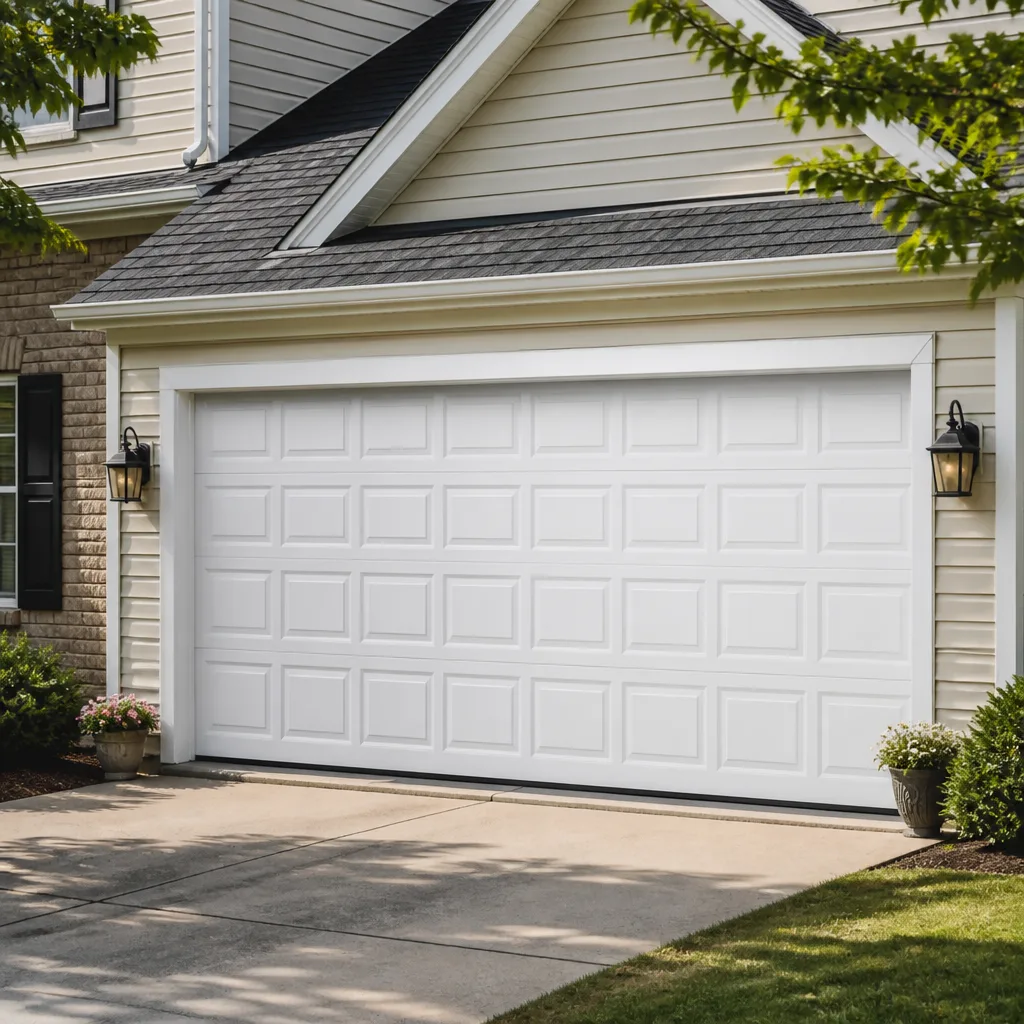
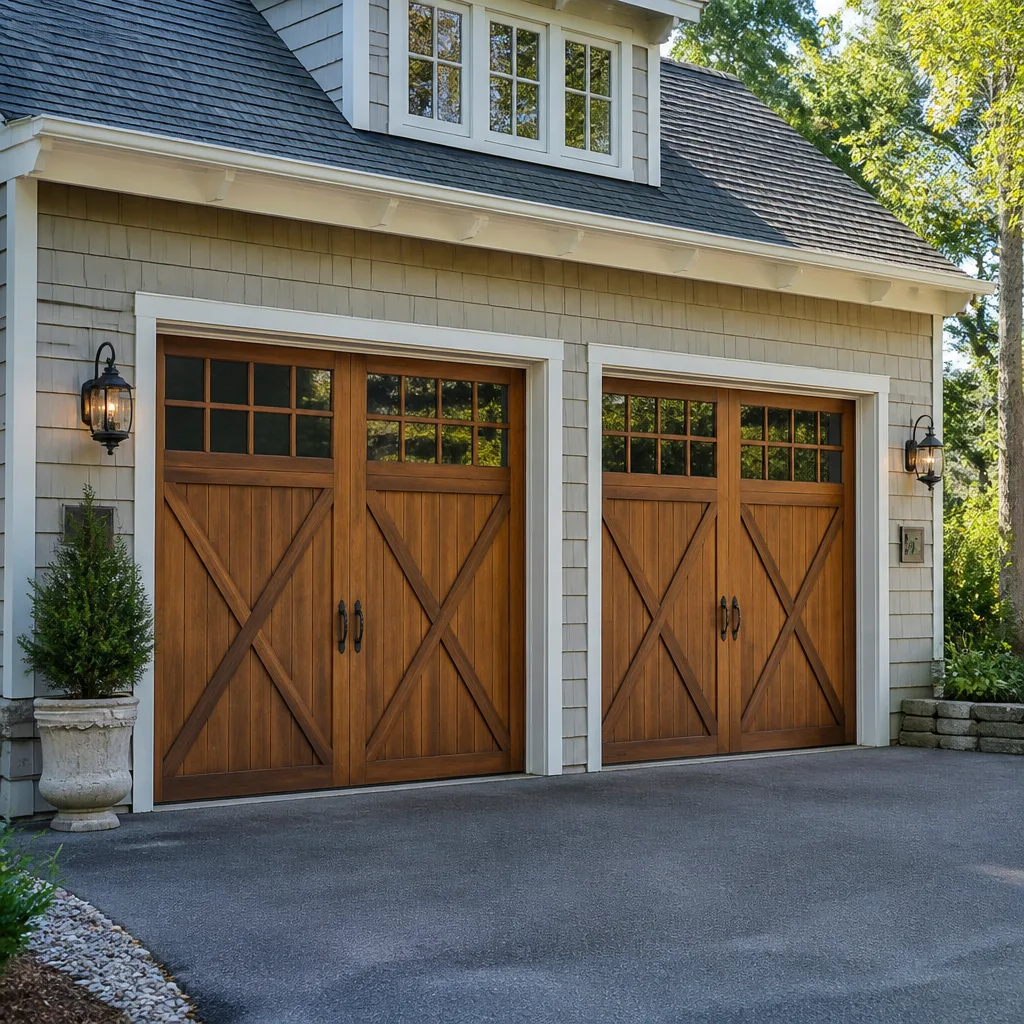
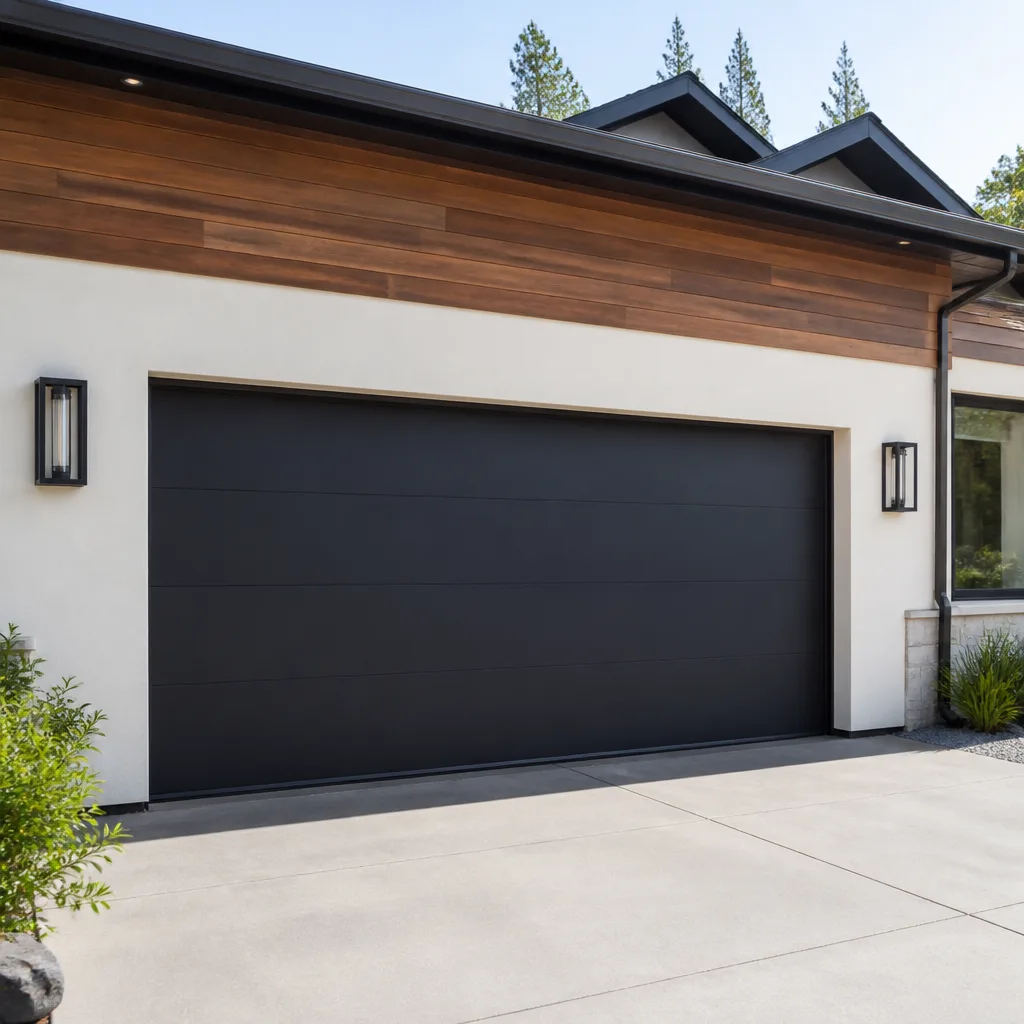
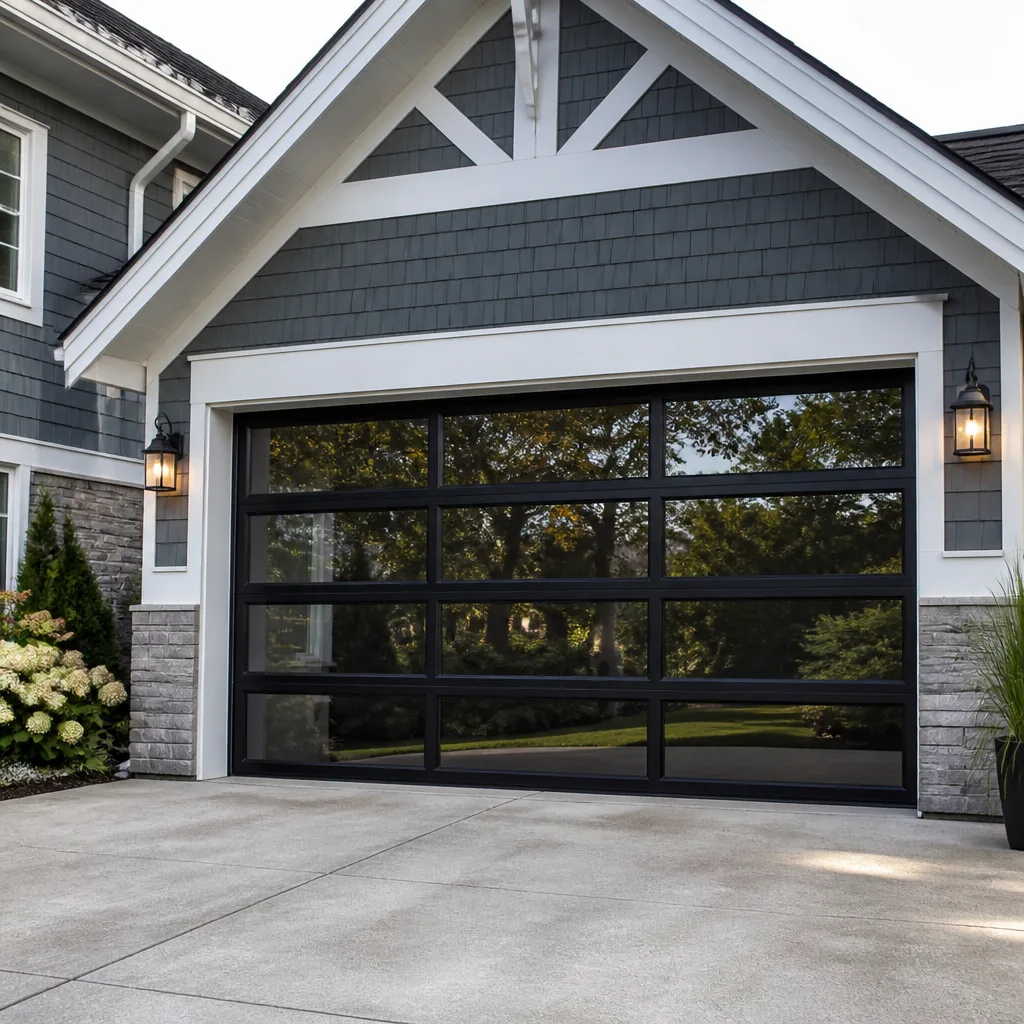
 Before
 After
After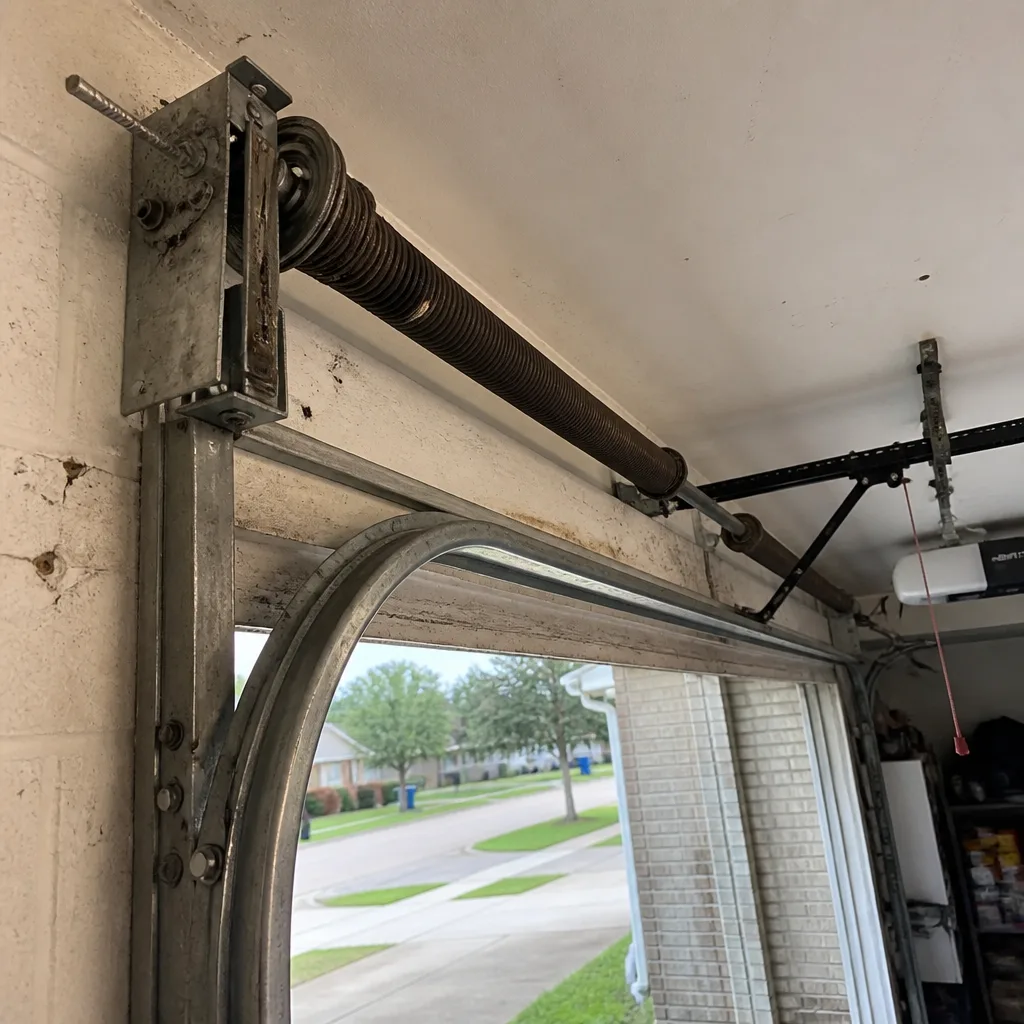 Before
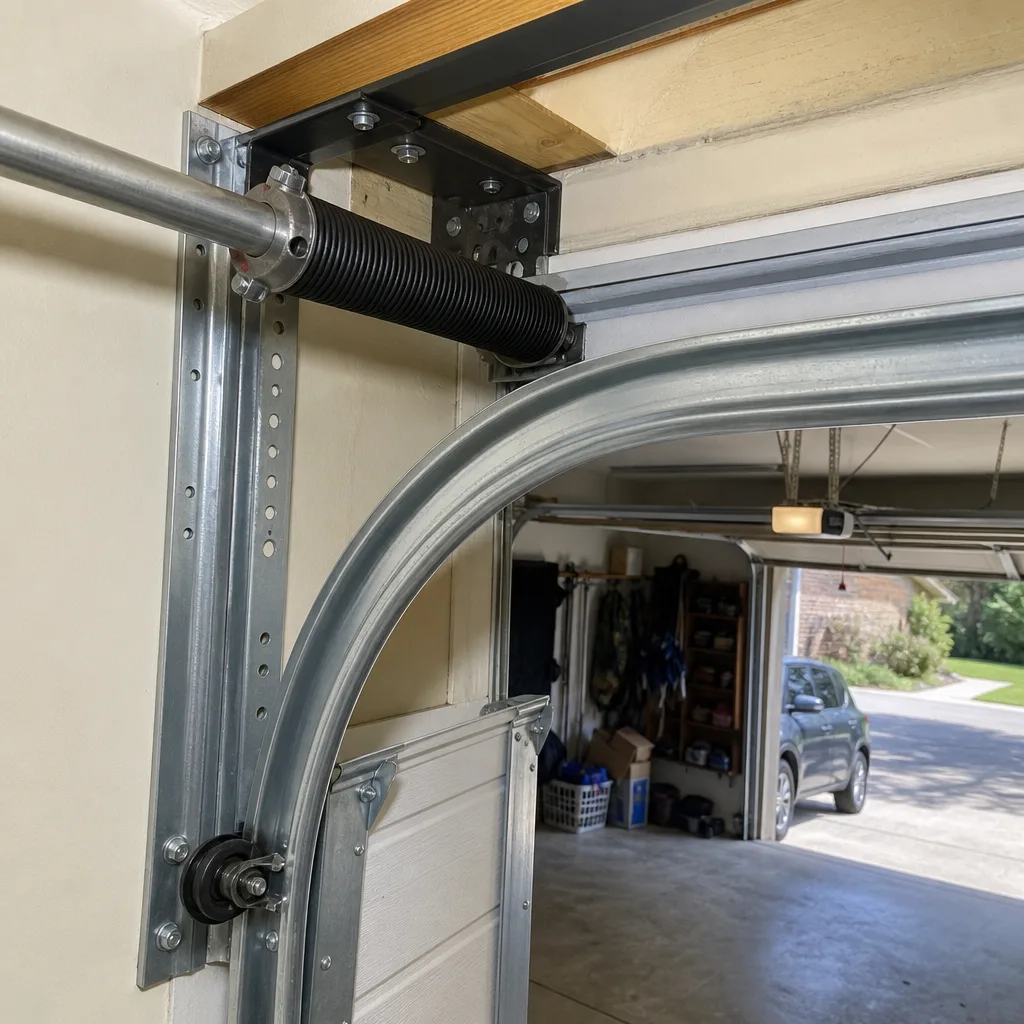 After
After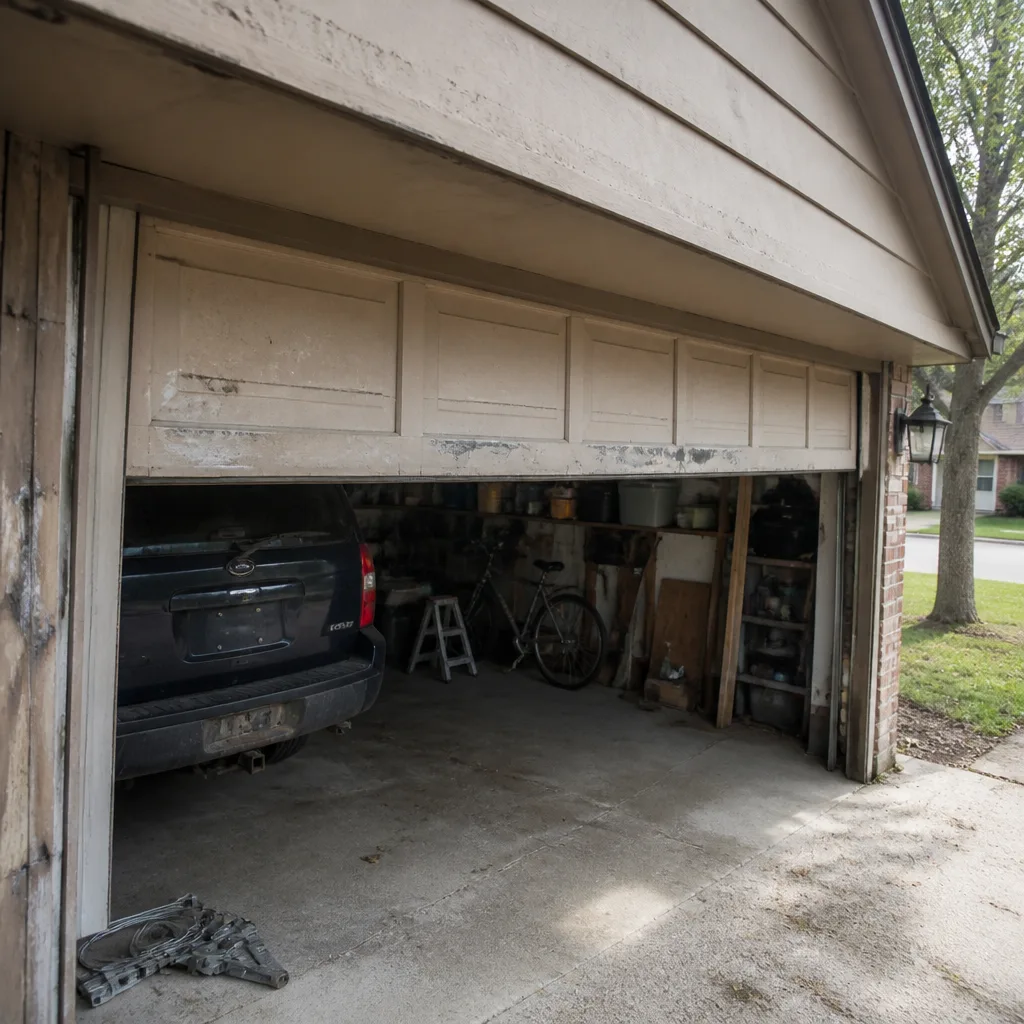 Before
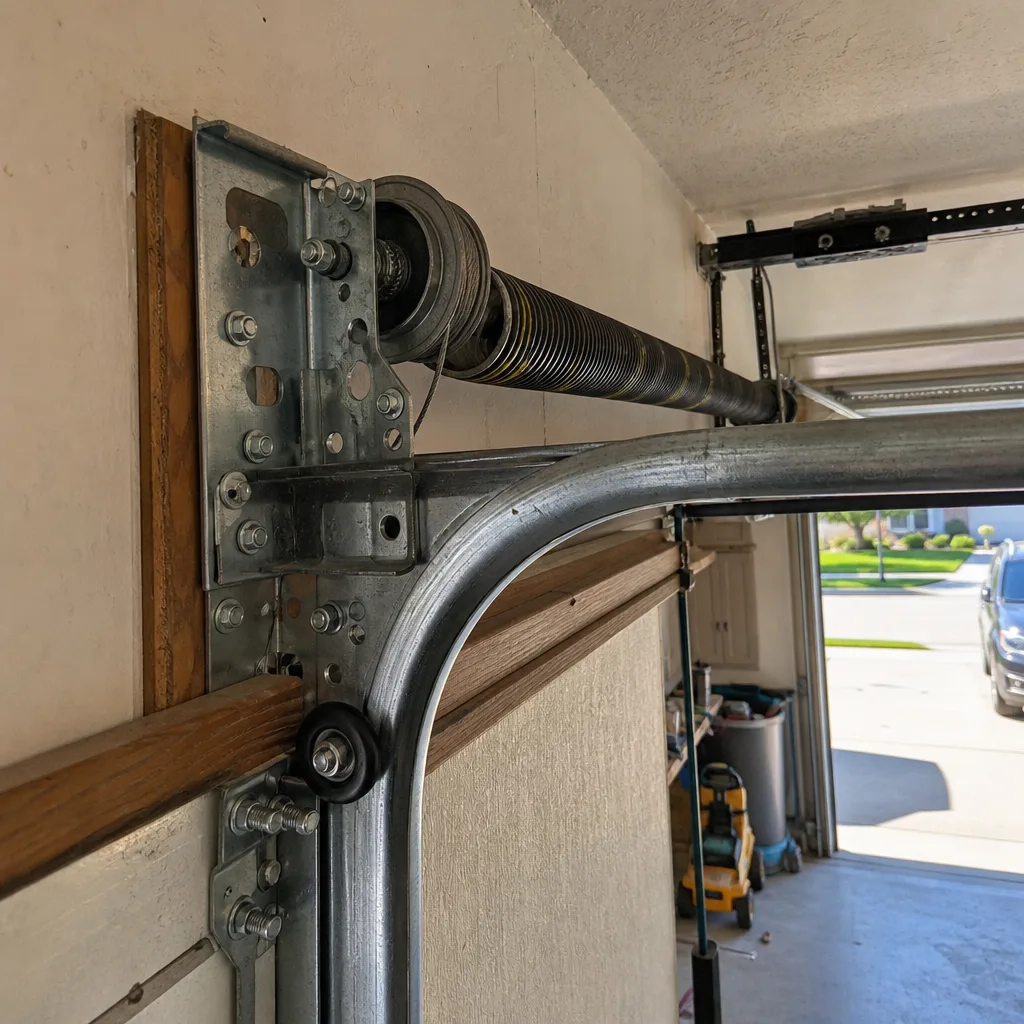 After
AfterGarage Door Permits, Codes & Inspections in TX: What You Need to Know
A garage door replacement done without the correct permit in a deed-restricted Katy community can delay a home sale by weeks - and the homeowner, not the contractor, is usually the one who pays for it. We’ve seen it happen. The buyer’s title company flags an unpermitted improvement, the closing freezes, and the seller is scrambling to get retroactive inspections on work completed years earlier. Most Katy homeowners assume a garage door swap is permit-free - and they’re often right, but not always, and the exceptions are the ones that create problems at resale or after a storm claim. This guide draws the actual line between what Texas and Katy-area municipalities require and what they don’t, so you aren’t caught guessing.
Quick Answer
In Texas, a standard garage door replacement on an existing opening typically does not require a building permit. However, you need a permit if you’re altering the structural opening, installing a fire-rated door in a firewall separation, or working in a flood-prone zone with elevation requirements. HOA approval is separate from municipal permitting and is often mandatory in Katy’s master-planned communities.
Table of Contents
- When Is a Permit Required for Garage Door Work in Texas?
- Texas Building Code: What Actually Applies to Garage Doors
- Wind-Load Ratings and Hurricane-Season Reality in Katy
- HOA Deed Restrictions in Katy: The Second Layer of Rules
- The Inspection Process: What Inspectors Check and How Long It Takes
- How to Confirm Your Contractor Pulled the Right Permits Before Work Starts
- The Real Risks of Unpermitted Garage Door Work
- Common Mistakes to Avoid
- When to Call a Professional
- Frequently Asked Questions
- The Bottom Line
When Is a Permit Required for Garage Door Work in Texas?
The short answer most Katy homeowners want: replacing an existing garage door with a new one of the same size on the same opening usually requires no building permit in Texas, though our Garage Door Repair Maintenance Checklist for Katy Homeowners covers when extra documentation helps. The work is considered cosmetic or like-for-like maintenance. But the exceptions matter more than the rule.
You need a permit when any of these conditions apply:
- Structural opening changes: Widening, narrowing, raising, or lowering the garage door opening affects load-bearing walls and requires engineered plans and a permit.
- Fire-rated assemblies: If the garage shares a wall with living space - common in townhomes and some newer Katy infill designs - the door or adjacent wall may need a fire-rated assembly. Altering this without permit and inspection violates International Residential Code Section R302.6, adopted statewide in Texas.
- New construction or additions: Any garage door installed in new construction, whether a custom build in Cinco Ranch or an ADU in Old Katy, requires permitting as part of the overall build.
- Floodplain work: Parts of Katy sit in the 100-year floodplain. If your garage floor is below base flood elevation, modifications may trigger elevation compliance review through the city or county floodplain administrator.
- Electrical work on openers: Running new dedicated circuits, upgrading panels, or altering hardwired opener connections typically requires an electrical permit separate from any building permit.
In our 42 years of work across the Katy area, the permit question comes up most often when a homeowner wants to convert a single door to a double, or when they’re finishing a garage into conditioned living space and need to address the firewall. These are not cosmetic swaps. They’re structural alterations, and the city will want to see plans.
Texas operates under a decentralized permitting system. There is no statewide garage door permit. Each municipality adopts the International Residential Code with local amendments. In unincorporated Harris and Waller counties, permit requirements are lighter but not absent. If you’re in Katy city limits versus unincorporated Harris County versus a municipal utility district, the answer can differ. We always verify with the specific jurisdiction before starting work that touches structure or fire separation.
Texas Building Code: What Actually Applies to Garage Doors
Texas does not write its own building code from scratch. The state adopts the International Residential Code (IRC) and International Building Code (IBC) through the Texas Department of Licensing and Regulation, then allows municipalities to layer local amendments on top. For garage doors, the relevant sections are IRC R302.6 (fire separation), IRC R301.2 (wind provisions), and the Texas Windstorm Insurance Association requirements for coastal and inland wind zones.
Here’s what the code actually specifies for residential garage doors:
- Fire separation: Garages must be separated from living spaces by 1/2-inch gypsum board on the garage side, and any door penetrating this wall must be 20-minute fire-rated, self-closing, and solid-core. This applies to the man door, not the overhead garage door itself - unless the overhead door is part of a rated assembly in a multi-family or mixed-use building.
- Wind resistance: IRC R301.2.1.1 requires exterior doors to resist the design wind speed for the location. In the Katy area, that’s 130 mph for Risk Category II buildings under the 2021 IRC, though local amendments and ASCE 7-16 calculations can push this higher for specific exposures.
- Impact resistance: Within the Texas Windstorm Code inland II zone (which includes Katy), garage doors do not require missile-impact rating unless the home is within one mile of coastal mean high water. But wind-borne debris regions do apply closer to the Gulf, and some insurers apply stricter standards regardless.
- Egress and emergency release: All motorized garage doors must have a readily accessible emergency release - the red handle you’ve seen. This is not a permitting issue but an operational safety requirement under UL 325.
The code also addresses bottom seal gaps, which matter for energy compliance in conditioned garages. A 1/4-inch gap under a non-insulated door in a Katy summer costs more in cooling load than most homeowners realize. We see this in older homes near Katy Mills, where original doors from the 1990s have sagged and no longer seal against the threshold.
One detail competitors rarely mention: the IRC requires garage door openers to be listed to UL 325, and the installation must follow the manufacturer’s bracing instructions. After Hurricane Ike in 2008, Texas saw a wave of opener failures from improper bracing. The code changed to require reinforced attachment to structural framing, not just ceiling drywall. When we install a LiftMaster or Chamberlain opener in Katy, we lag directly to the joists or a properly engineered support bracket. No exceptions.
Wind-Load Ratings and Hurricane-Season Reality in Katy
Katy sits roughly 50 miles inland from the Gulf of Mexico. That distance matters for building code, but it does not eliminate wind risk. Hurricane Harvey made that clear in 2017, with sustained winds in the Katy area reaching 85 mph and gusts well over 100. The garage door is the largest opening in most homes. When it fails, internal pressure builds rapidly and the roof lifts off. Engineers call it the “dominant opening” problem.
Wind-load rating is the door’s tested resistance to pressure measured in pounds per square foot (psf). For Katy, the design pressure depends on:
- Wind speed: 130 mph three-second gust for standard residential construction.
- Exposure category: Open terrain with few obstructions (common in newer Katy developments) increases wind pressure versus sheltered suburban lots in established neighborhoods.
- Building height: Two-story homes experience higher wind pressures at the garage door than single-story.
- Door size: Larger doors require higher ratings to resist the same wind speed.
A typical 16×7 garage door in a single-story Katy home with Exposure B (suburban) needs a design pressure around 16-20 psf. In Exposure C (open prairie, common in developments west of the Grand Parkway), that jumps to 22-28 psf. Two-story homes add another 10-15%.
Here’s what this means practically: if you’re replacing a garage door in Katy, the cheapest option is often not wind-load rated. It meets no standard beyond basic operational safety. After a named storm, your insurance adjuster may deny a claim for “failure to maintain adequate wind protection” if the door blows in and causes structural damage, so watch for Garage Door Warning Signs: A Katy Homeowner’s Reference Guide before trouble hits. We’ve reviewed claims where the homeowner’s policy required W6 (wind-rated) or higher, but the installed door carried no rating at all.
Brands like Amarr and Wayne Dalton publish wind-load ratings by model. A Clopay model 4050 with wind locks might carry a 20 psf rating. A Raynor BuildMark with reinforced struts might reach 35 psf. The rating should be on a label inside the door sections. If there’s no label, there’s no verified rating. In our garage door installation in Katy work, we specify the rating in writing before ordering. No surprises on the bill, and no guessing about coverage.
The Texas Windstorm Insurance Association maintains a product evaluation index for coastal counties, but inland properties in Katy fall under standard homeowner’s policies with varying requirements. We recommend pulling your declarations page and checking for “opening protection” requirements before selecting a door. If the policy mandates impact-rated or wind-rated doors, an unrated installation is an uncovered risk.
HOA Deed Restrictions in Katy: The Second Layer of Rules
Municipal permits and HOA approvals operate independently. You can have full city approval and still be in violation of your subdivision’s deed restrictions. In Katy’s master-planned communities - Cinco Ranch, Seven Meadows, Firethorne, Cross Creek Ranch, Grayson Lakes - the HOA architectural review process is often stricter than the city’s building department.
What HOAs in Katy typically control:
- Color and finish: Many require earth-tone or specific palette matches. A bright red door in a neutral-toned community gets a violation notice.
- Style and panel design: Some mandate carriage-house style or prohibit certain modern flat-panel designs to maintain neighborhood consistency.
- Window placement and glazing: Restrictions on glass type, tint, and location are common, especially where rear garage doors face arterial roads.
- Material: Some communities require wood or wood-composite appearance, prohibiting bare steel or aluminum.
- Approval timelines: Architectural committees in larger Katy communities meet monthly. Submitting after a deadline can delay approval 30-45 days.
The critical point: HOA approval is the homeowner’s responsibility, not the contractor’s. A reputable garage door company will provide product literature and color samples to support your application, but we cannot submit to your HOA on your behalf. We’ve seen homeowners in Katy assume their contractor “handled everything,” only to receive a demand to remove an unapproved door at their own expense.
In our experience, the communities with the most detailed garage door specifications are the newer large-scale developments west of the Grand Parkway. Older Katy neighborhoods, like those near downtown or in the original Nottingham Country area, tend to have lighter restrictions or none at all. Always request a current copy of your deed restrictions before ordering. The version from your closing documents may be outdated if amendments passed.
One practical note: some Katy HOAs require proof of municipal permits as part of their approval packet, even when the city does not require one. This creates a catch-22. The solution is a letter from the building department confirming no permit is required for like-for-like replacement. We obtain these for our Katy customers when needed. It takes a phone call and a day or two.
The Inspection Process: What Inspectors Check and How Long It Takes
When a permit is required, the inspection process in Katy-area jurisdictions follows a predictable sequence. Understanding it helps set realistic timelines and avoids the frustration of a failed inspection adding weeks to your project.
Step 1: Rough Inspection (if structural)
If your project involves framing changes, the inspector visits before the door is installed to verify header size, jack stud placement, and connection to load-bearing elements. For a standard replacement, this step is skipped.
Step 2: Final Inspection
The inspector examines the completed work against the approved plans and applicable code. For garage doors, the checklist typically includes:
- Wind-load label verification: The inspector reads the manufacturer’s label inside the door sections to confirm the rating matches or exceeds the plans.
- Track and hardware attachment: Brackets must be through-bolted or lag-screwed to structural framing, not just face-screwed into trim or siding.
- Opener bracing: The opener rail must be supported independently of the door header, with blocking or bracketing to ceiling joists or trusses.
- Fire-rated assembly compliance: If applicable, the inspector checks that any penetrations of rated walls are properly sealed and that self-closing devices function.
- Emergency release accessibility: The red handle must be within 6 feet of the floor and unobstructed.
- Photo-eye alignment and function: UL 325 requires auto-reverse and non-contact sensors. The inspector may test with a 2×4 or object in the beam path.
Inspection scheduling in the City of Katy typically runs 1-3 business days from request. Harris County unincorporated areas vary more widely, sometimes 3-5 days. Waller County jurisdictions can take longer due to limited inspector availability.
A failed inspection means corrections and re-inspection. Common failures we see in Katy:
- Opener installed with inadequate ceiling support, causing rail flex
- Wind-load label missing or illegible (sun-faded labels are a real problem)
- Photo-eyes mounted above 6 inches or misaligned
- Fire caulk missing around penetrations in rated walls
The re-inspection fee in most Katy-area jurisdictions is $50-$100. Some contractors absorb this; others pass it to the homeowner. We state our policy upfront: if the failure results from our work, we correct and re-inspect at no charge. That’s the 90-Day Done Right Promise in action.
How to Confirm Your Contractor Pulled the Right Permits Before Work Starts
The worst time to discover a permit problem is when the building inspector knocks during installation, or worse, when you’re under contract to sell and the title search surfaces unpermitted work. Verifying permits is straightforward and should happen before any material arrives.
Step 1: Ask for the permit number in writing
A legitimate contractor provides the permit application number or issued permit number without hesitation - for help choosing one, see How to Hire a Garage Door Contractor in Katy: A Step-by-Step Guide. Vague answers - “we’ll take care of it,” “it’s included,” “Katy doesn’t require one for this” - warrant follow-up. Get the specific claim in writing.
Step 2: Verify directly with the jurisdiction
Most Katy-area building departments offer online permit lookup:
- City of Katy: online portal at cityofkaty.com
- Harris County: hcpermits.org for unincorporated areas
- Fort Bend County: varies by MUD, but most have online access
- Waller County: call directly, online lookup is limited
Search by property address or permit number. Confirm the scope matches your project description. A permit for “garage door opener replacement” does not cover structural opening modification.
Step 3: Check the contractor’s license status
Texas does not license garage door contractors at the state level, but electrical work requires a licensed electrician. If your project involves new circuits, verify the electrician’s license through TDLR. Ask for a certificate of insurance naming you as additional insured for the project duration.
Step 4: Document everything
Save permit applications, inspection results, and final approvals with your home records. These documents transfer with the property and protect you at resale. In Katy, where master-planned communities have high turnover and buyers are savvy about documentation, this matters.
We’ve been called to jobs where a previous contractor completed work, collected payment, and left no permit trail. The homeowner faced a choice: pursue a vanished contractor, or pay for retroactive permitting and inspection out of pocket. In one case in Seven Meadows, the retroactive process cost more than the original installation because it required exposing structural connections for inspector visibility. The original “savings” evaporated.
At Mainspring Garage Door Co. home, we pull permits when required, provide the number before work begins, and handle scheduling inspections around your availability. No paperwork, no arguing, in writing on every job.
The Real Risks of Unpermitted Garage Door Work
Unpermitted work does not always cause immediate problems. The risks are probabilistic and time-delayed, which makes them easy to dismiss until they materialize.
Resale complications: In Katy, where homes in Cinco Ranch, Firethorne, and Cross Creek Ranch turn over regularly, title companies and buyer inspectors increasingly flag unpermitted improvements. A garage conversion or structural modification without permit becomes a disclosure issue. The buyer may demand escrow holdbacks, retroactive permitting, or price reductions. In a 2023 transaction we consulted on, a $2,400 garage door opening widening without permit delayed closing by 23 days and cost the seller $1,800 in rush permitting and engineer’s letters.
Insurance claim denials: After Hurricane Harvey and subsequent storms, insurers scrutinized garage door failures more closely. If the door that failed was part of an unpermitted modification, or if it lacked the wind-load rating the policy required, coverage for consequential damage can be disputed. The homeowner bears the burden of proving the work was code-compliant.
HOA enforcement: Deed restrictions often include clauses requiring all improvements to comply with municipal code. Unpermitted work violates both simultaneously, strengthening the HOA’s enforcement position. Fines accumulate daily in some Katy communities.
Safety liability: If an improperly installed door injures someone, and the installation circumvented permit and inspection requirements, homeowner’s insurance may deny liability coverage for negligent maintenance. This is rare but catastrophic when it occurs.
Neighbor disputes: In tightly platted Katy neighborhoods, a garage door facing the street with unapproved color or style draws complaints. The HOA acts on complaints, and the permit status becomes relevant to whether the modification was properly reviewed.
The pattern is clear: permits and inspections are not bureaucratic obstacles. They are documentation that protects your investment, your coverage, and your liability exposure. The cost of compliance is modest. The cost of non-compliance is unpredictable and potentially severe.
Common Mistakes to Avoid
- Assuming all garage door replacements are permit-free. Structural changes, fire-rated assemblies, and floodplain work trigger requirements even when the door itself is standard. Verify with your specific municipality before starting.
- Relying on the contractor’s verbal assurance about permits. “Don’t worry about it” is not a permit strategy. Get the permit number or a written statement that no permit is required, with the basis cited.
- Ignoring HOA approval until after installation. In Katy’s master-planned communities, HOA architectural review takes 30-45 days. Starting work before approval risks a removal order at your expense.
- Selecting a door without verifying wind-load rating against insurance requirements. After storm events, insurers increasingly require documented ratings. An unrated door saves money upfront and costs coverage later.
- Not requesting final inspection documentation. A passed inspection is only as good as your proof of it. File the final approval with your home records, not the contractor’s.
- Assuming city and county rules are identical. Unincorporated Harris County, the City of Katy, and various MUDs have different amendment packages. What’s true for your neighbor across the street may not apply to your property.
- Neglecting to update garage door opener bracing after code changes. Post-Ike requirements mean older installations may not meet current standards. A permit-triggering replacement is the right time to bring the opener attachment up to code.
When to Call a Professional
Call a qualified garage door professional when your project involves structural opening changes, fire-rated assemblies, electrical work, or any situation where permits and inspections are required. The documentation, code knowledge, and insurance backing of an established company protect you from the risks we’ve outlined.
Even for straightforward replacements, professional installation ensures wind-load ratings are verified, opener bracing meets current code, and photo-eye placement passes inspection standards. A door that operates smoothly but fails on safety or structural compliance is not a job done right.
Mainspring Garage Door Co. offers free estimates in Katy. We’ll assess your specific situation, verify permit requirements with the correct jurisdiction, and provide a flat price before any work begins. Call (281) 205-0555 to schedule. Our technicians arrive with springs, cables, openers, and hardware on the truck, so most jobs are completed in a single visit. The 90-Day Done Right Promise covers every installation: if it’s not right, we come back at no charge, in writing, with no dispute process.
Frequently Asked Questions
A standard replacement of an existing door on the same opening typically does not require a building permit in Katy or surrounding jurisdictions. You need a permit if you’re altering the structural opening, installing a fire-rated assembly, or working in a floodplain with elevation requirements. Call (281) 205-0555 and we’ll verify the specific requirements for your address.
Permit fees in the Katy area range from $50 to $200 depending on jurisdiction and project scope, with re-inspection fees adding $50-$100 if corrections are needed. The door and installation are quoted separately. At Mainspring, we state the full price including any permit costs before work begins. Call (281) 205-0555 for a free written estimate.
No. Katy’s master-planned communities typically have specific requirements for color, style, material, and window configuration. Approval is separate from municipal permitting and is your responsibility as the homeowner. We provide product literature and samples to support your application.
The inspector issues a correction notice specifying what does not meet code. The contractor makes corrections and schedules a re-inspection, usually within 1-3 business days. At Mainspring, if the failure results from our work, we correct and re-inspect at no charge under our 90-Day Done Right Promise.
Check for a manufacturer’s label inside the door sections showing the design pressure rating in psf (pounds per square foot). If the label is missing, faded, or shows no rating, the door is not verified for wind resistance. We inspect and document this during every Katy installation quote.
Yes, in most Texas jurisdictions the property owner can act as their own contractor and pull permits. However, you assume liability for code compliance and inspection passage. If you hire a contractor, they should pull permits in their name as part of their scope. Verify this in your written agreement.
The Bottom Line
Most garage door replacements in Katy need no permit, but the exceptions - structural changes, fire-rated assemblies, floodplain work, and electrical modifications - carry real consequences when ignored. HOA approval operates on its own timeline and rules. Wind-load ratings matter for insurance coverage after storm events. Documentation protects you at resale. The pattern across all of this: verify before work starts, get it in writing, and keep records. A square deal includes doing the paperwork right, not just the installation. That’s how we’ve operated since 1984, and it’s why we’re still here when our customers need us.
Written by Carl Dutton, Owner at Mainspring Garage Door Co., serving Katy since 2016.